
WHO Hub for Global Health Emergencies Logistics
Biennium 2024/2025
The WHO Hub for Global Health Emergencies Logistics in Numbers 2024-2025
Rapidly delivering life-saving medical countermeasures to reach more people, more efficiently, the WHO Hub for Global Health Emergencies Logistics reinforces the Global Health Architecture by strengthening prevention, preparedness, response, and recovery efforts worldwide. The support of our donors and strength of our partnerships drive the delivery of humanitarian health assistance to the world’s most vulnerable populations at their greatest time of need. With unwavering commitment to serve, we will navigate the immense challenges facing the humanitarian and development sector together to increase access to essential medicines and health supplies around the world.
CHAPTER 1
Foreword
The WHO Hub for Global Health Emergencies Logistics maintains the World Health Organization’s largest source of medical countermeasures readily available in response to acute health emergencies. Increasing access to and the availability of critical medical countermeasures is at the core of the WHO Health Emergencies Program. The Hub, as part of the Operations Support and Logistics (OSL) unit of the WHO Strategic Health Operations Department, reinforces WHO’s capabilities to prevent, prepare and respond to health emergencies wherever and whenever they occur.
The scale, complexity, and frequency of humanitarian emergencies with severe health consequences dramatically increased during the biennium 2024/25 creating unprecedented demands for life saving essential medicines, medical equipment, and health supplies. Driven by biological hazards including epidemics and pandemics of infectious disease, natural disasters such as earthquakes and floods, and societal hazards such as armed conflicts and civil unrest, these health emergencies placed more health workers and people in need of immediate assistance at risk than ever before.
In 2025 over 305 million people urgently needed humanitarian assistance. Impeding access to life-saving treatment, security constraints, shortages of essential medicines, and population displacement plagued humanitarian response efforts.
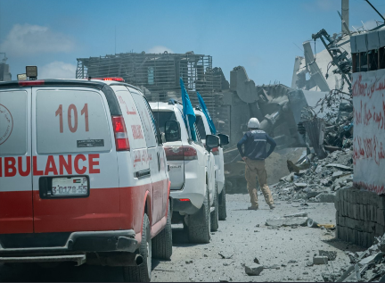
Saving over USD 90 million in operational costs since 2019 through a combination of our donors’ support and supply chain initiatives, the Hub enables our teams to deliver more medicines to reach more people, more quickly, than ever before.
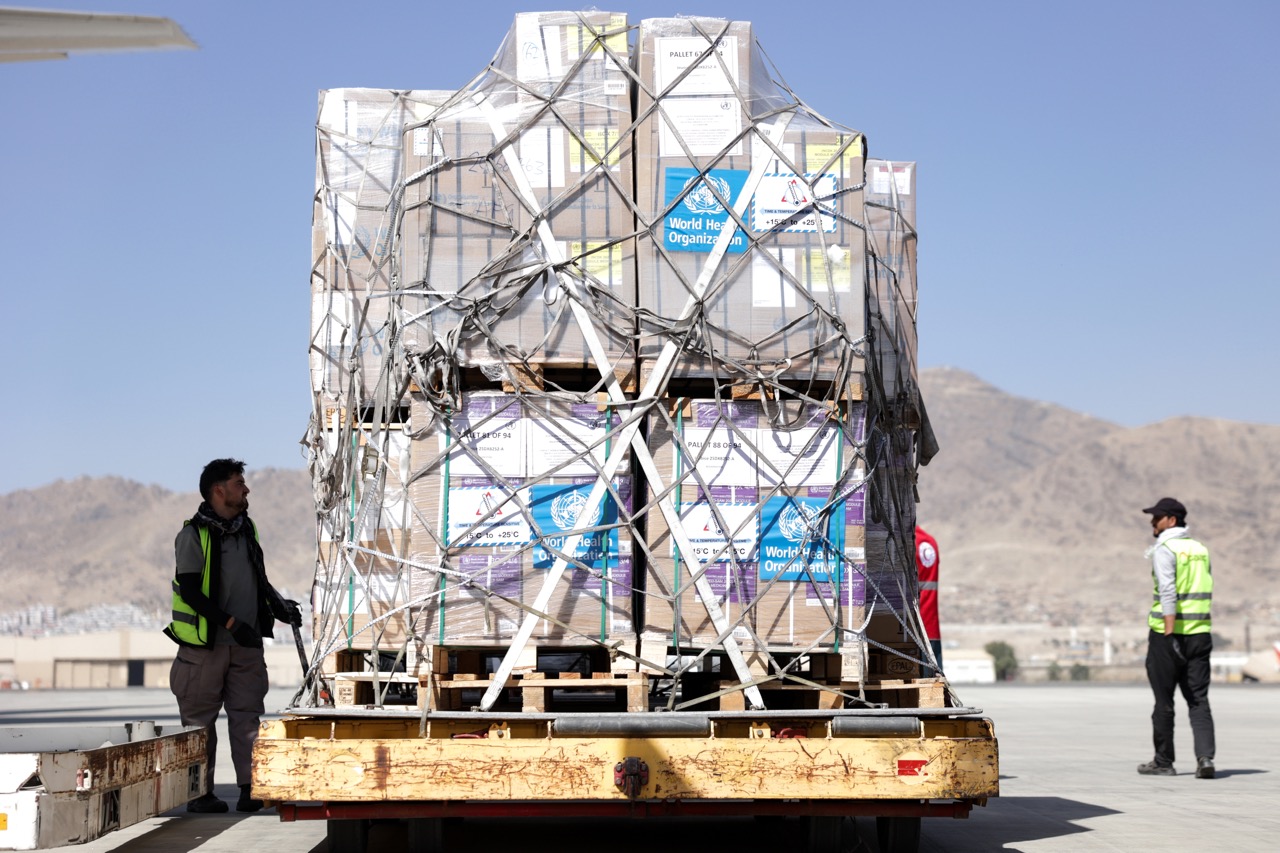
Nowhere was this support more visible than with the coordination of emergency charter flights. Accelerating the delivery of health supplies, 75% of all emergency charters from the Hub were provided as in-kind donations to WHO, reducing the average per kilogram transportation costs from the Hub to less than USD 1.50.
Completing an average of 3 emergency air charters per month from the Hub during the biennium increased the velocity of our responses and placed WHO at the very forefront of acute health emergencies while optimizing our collaboration with key partners including Dubai Humanitarian, European Civil Protection and Humanitarian Aid Operations (ECHO), World Food Program (WFP), United Nations International Children’s Emergency Fund (UNICEF), Médecins Sans Frontières (MSF), and the International Federation of the Red Cross and Red Crescent (IFRC) among others.
Driving efficiency through cost savings across the entire supply chain, our innovative approaches and partnerships increase access to essential medicines and decrease the per-patient costs of treatment saving more lives and alleviating the suffering or more people in need of direct assistance.
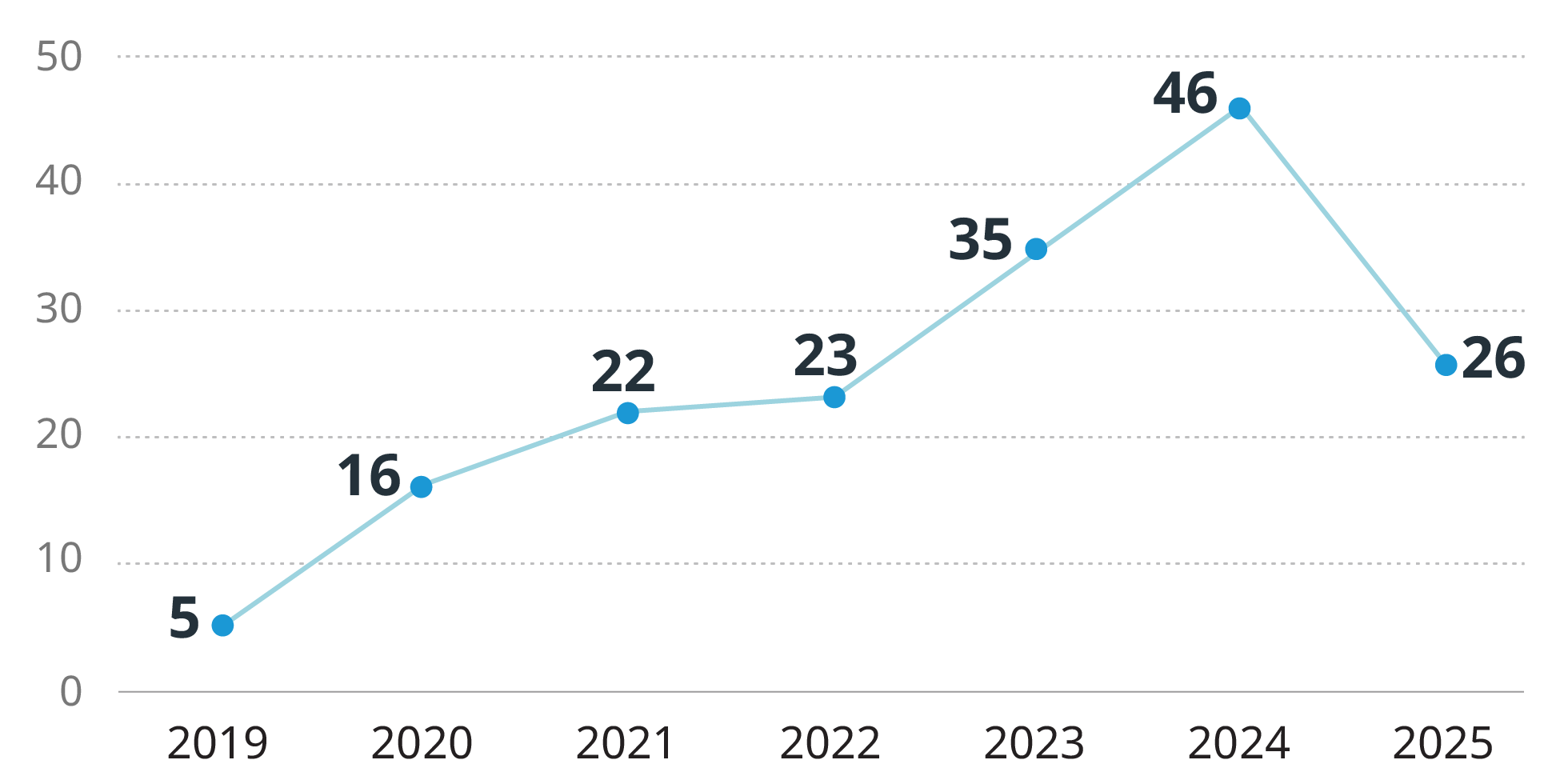
No. of Charter Flights 2019-2025
The humanitarian sector is changing rapidly as the number of people in need and the complexity of health emergencies increase. WHO’s Hub for Global Health Emergencies Logistics is a lifeline for our partners, Member States, and the people in need of immediate humanitarian assistance. Through our strengthened partnerships, coordination, and strategic supply chain initiatives, WHO’s Hub for Global Health Emergencies Logistics enhances supply chain efficiency, responsiveness, and agility to prevent, prepare, rapidly respond, and recover from health emergencies. Increasing the effectiveness and efficiency of the delivery of humanitarian aid, the Hub enables WHO to rapidly reach more people in need reinforcing the global health architecture and strengthening global health security.

CHAPTER 2
Operational Highlights Biennium 2024/25
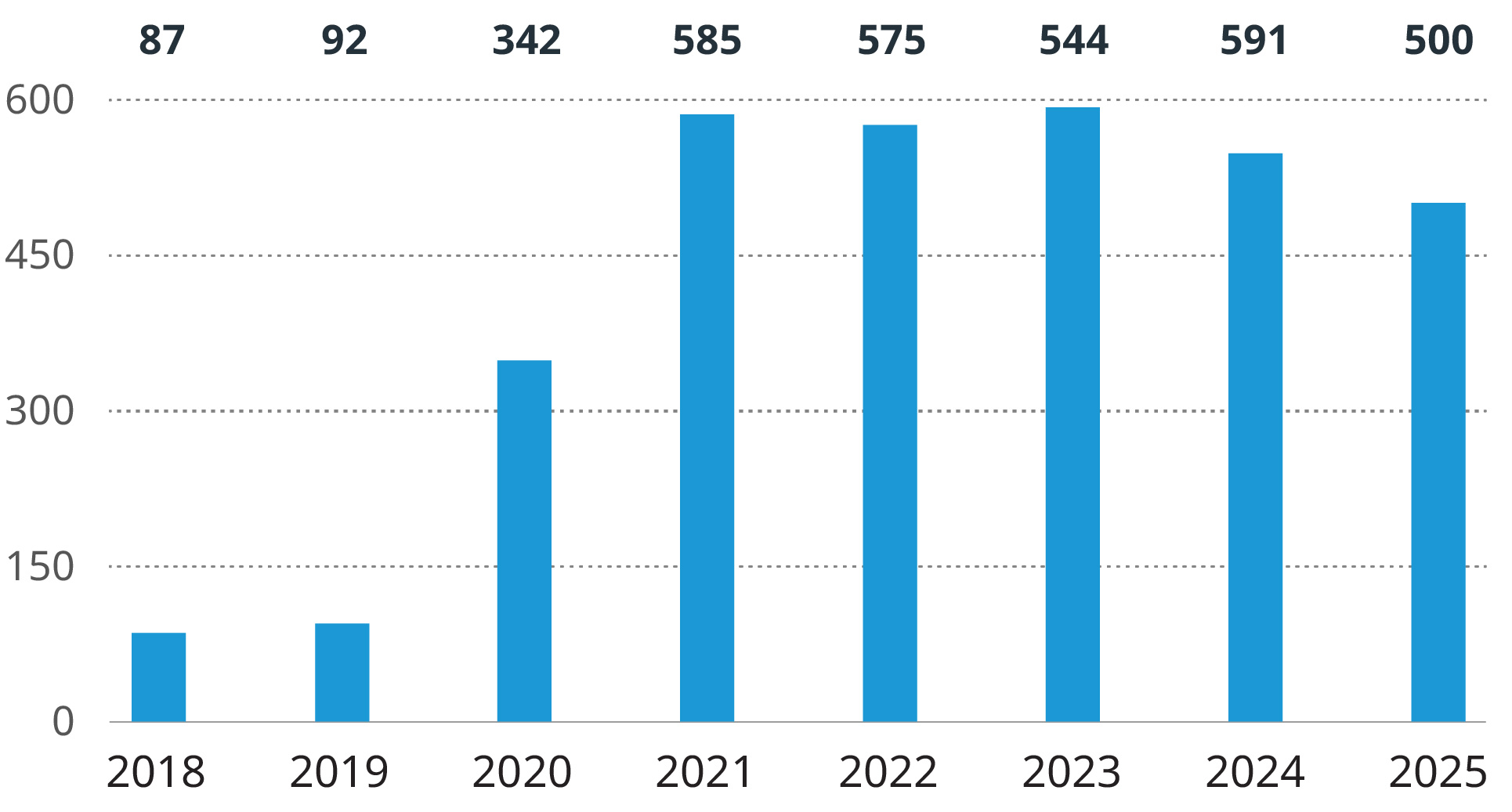
Fulfilling over 500 emergency orders for the 5th consecutive year, the Hub’s role in consolidating and rapidly delivering health supplies in response to humanitarian emergencies is vital to safeguarding the health of millions.
No. of Orders per Year
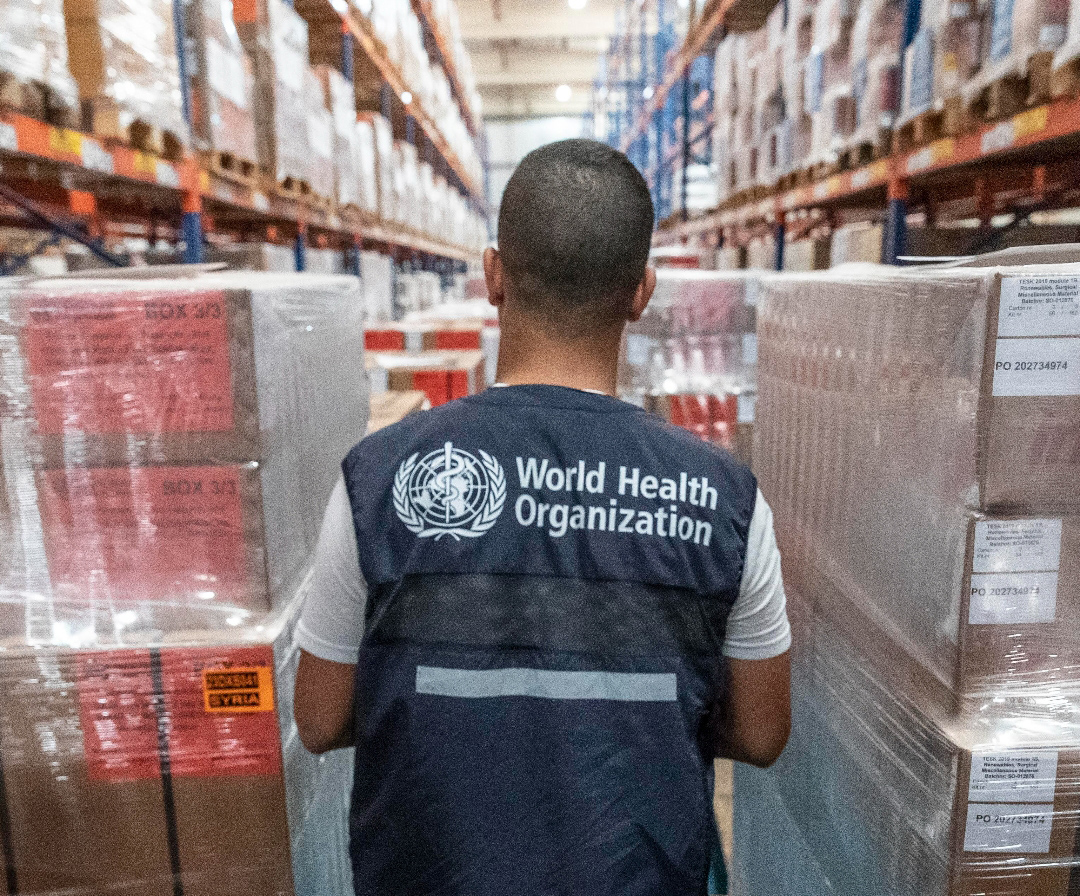
Dominated by the conflict in Israel and the occupied Palestinian Territory (oPT), the humanitarian crisis in Sudan, the protracted humanitarian crisis in Yemen, and the fragile health system in Syria, the 2024/2025 biennium tested the Hub’s resiliency, responsiveness, and agility.
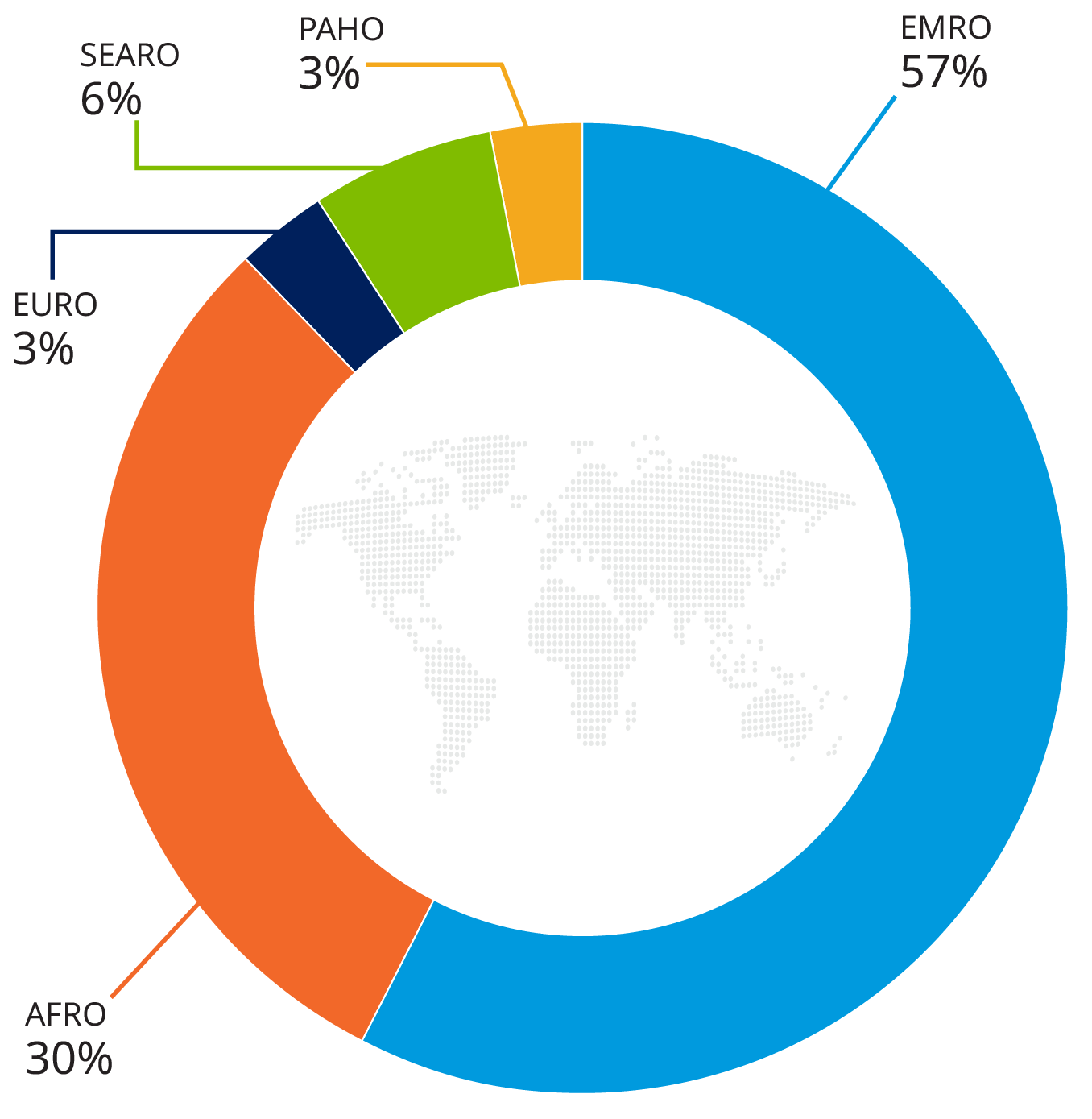
Crises across WHO’s Eastern Mediterranean Region (EMRO) continued to represent the largest percentage of emergency response needs followed by the WHO Regional Office for Africa (AFRO) driven by outbreaks of infectious disease and the WHO South East Asia Regional Office (SEARO) due to the devastating earthquake in Myanmar and Thailand.
% of Request by Region

CHAPTER 3
Eastern Mediterranean Region Focus
Home to the highest concentration of humanitarian emergencies globally, the Eastern Mediterranean Region hosts over half of the world’s refugees and displaced persons placing enormous strains on already fragile health systems. Catastrophic humanitarian crises in Gaza and Sudan as well as protracted crises in Afghanistan, Somalia, Syria, and Yemen, place millions at risk and threaten global health security.
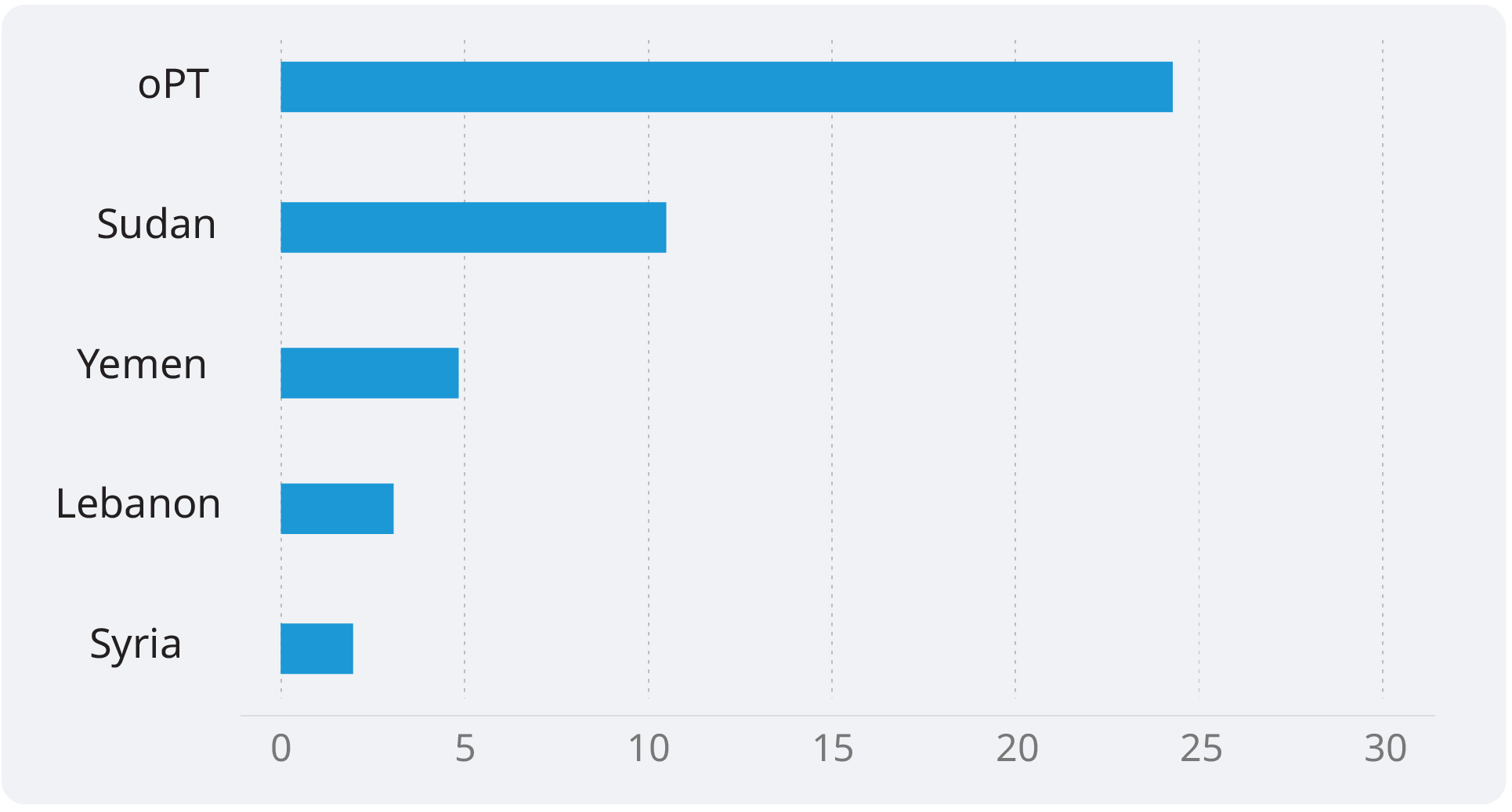
Responding to the unparalleled demand for health supplies, the Hub triaged response efforts to continuously prioritize the delivery of humanitarian supplies in close coordination with regional and country program priorities. The top 5 recipients by dollar value during the biennium 2024/25 were represented by oPT, Sudan, Yemen, Lebanon, and Syria respectively.
Top 5 Recipients by Dollar Value (USD)
WHO supplies funded and procured by the Eastern Mediterranean Region represented most supplies arriving at the Hub for consolidation and delivered to countries around the world. The Eastern Mediterranean Region procures and delivers that greatest value and volume of health supplies within WHO in response to health emergencies, fragile health systems, and displaced populations.
% of Inbound in 2024-2025 by USD Value

% of Outbound in 2024-2025 by USD Value


Conflict in Israel and the occupied Palestinian Territory
The occupied Palestinian Territory represented the largest recipient of health supplies by value from the Hub during the 2024/2025 biennium.
Providing critical supply chain and operations support since the start of the conflict in 2023, the Hub delivered over one third of the total value of health supplies reaching Gaza representing over 12,000 cubic meters to support WHO’s ongoing response efforts.
Responding by air, sea, and overland, the Hub delivered USD 24 million in health supplies to oPT and coordinated 30 emergency air charters during the biennium 2024/2025. With generous support of the European Civil Protection and Humanitarian Aid Operations (ECHO), Dubai Humanitarian, and the Government of the United Arab Emirates, 90% of the flights were in-kind donations.
Saving the WHO response over USD 3.5 million in operational costs during the 2024/2025 biennium lowered per-patient treatment costs, increased access to essential medicines, and ensured that our response continued to efficiently and effectively deliver resources to those in greatest need.
% Value of Gaza Response Delivered from the Hub
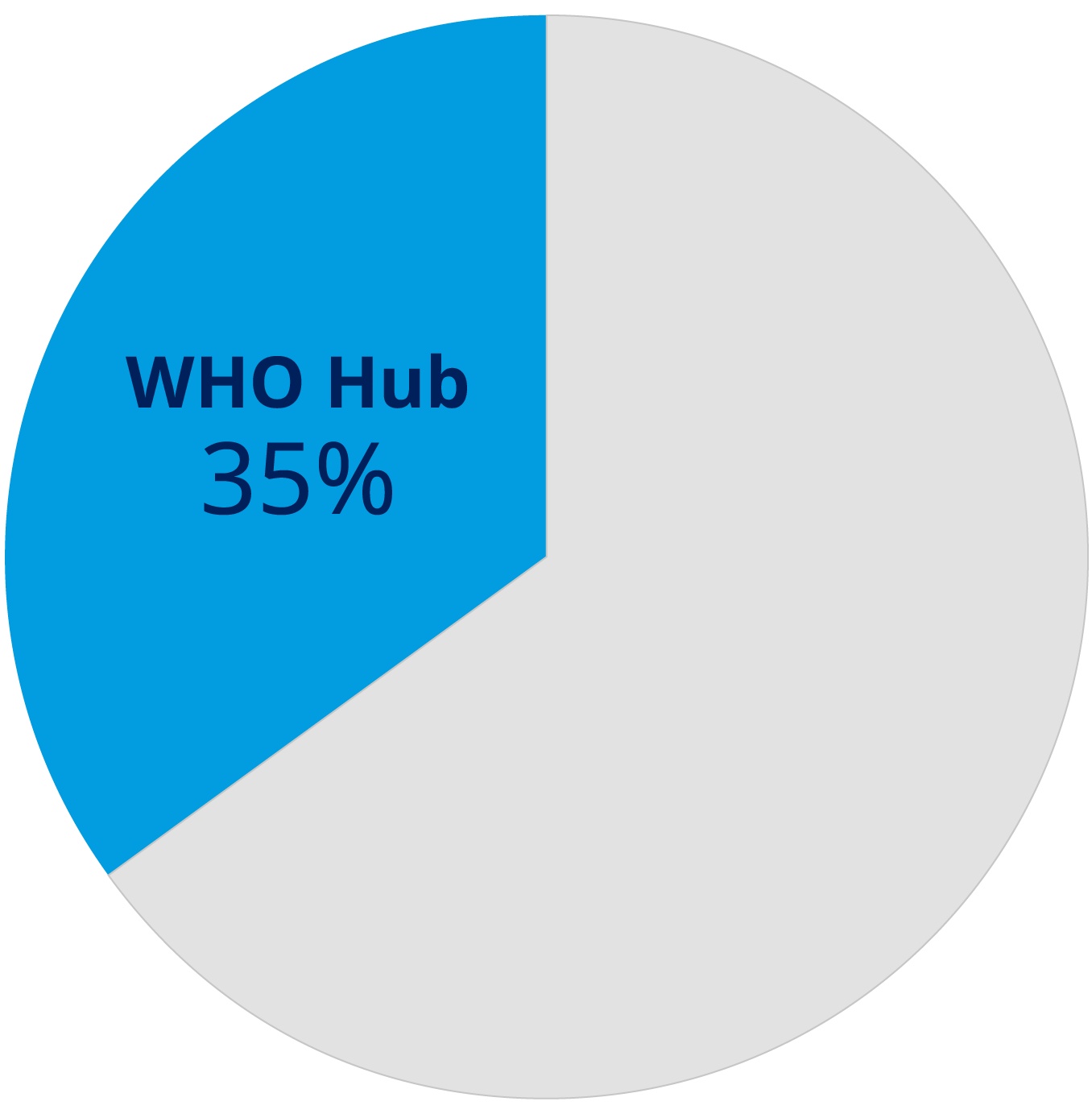

Humanitarian Crisis in Sudan
With over 20 million people in need of immediate humanitarian assistance and over 13 million people displaced, the emergency in Sudan represents one of the worst humanitarian crisis globally.
The ongoing conflict, outbreaks of infectious disease, mass displacement, damages to health facilities, and severe shortages of essential health supplies represent significant barriers to health.
% Sudan Response from Hub by USD
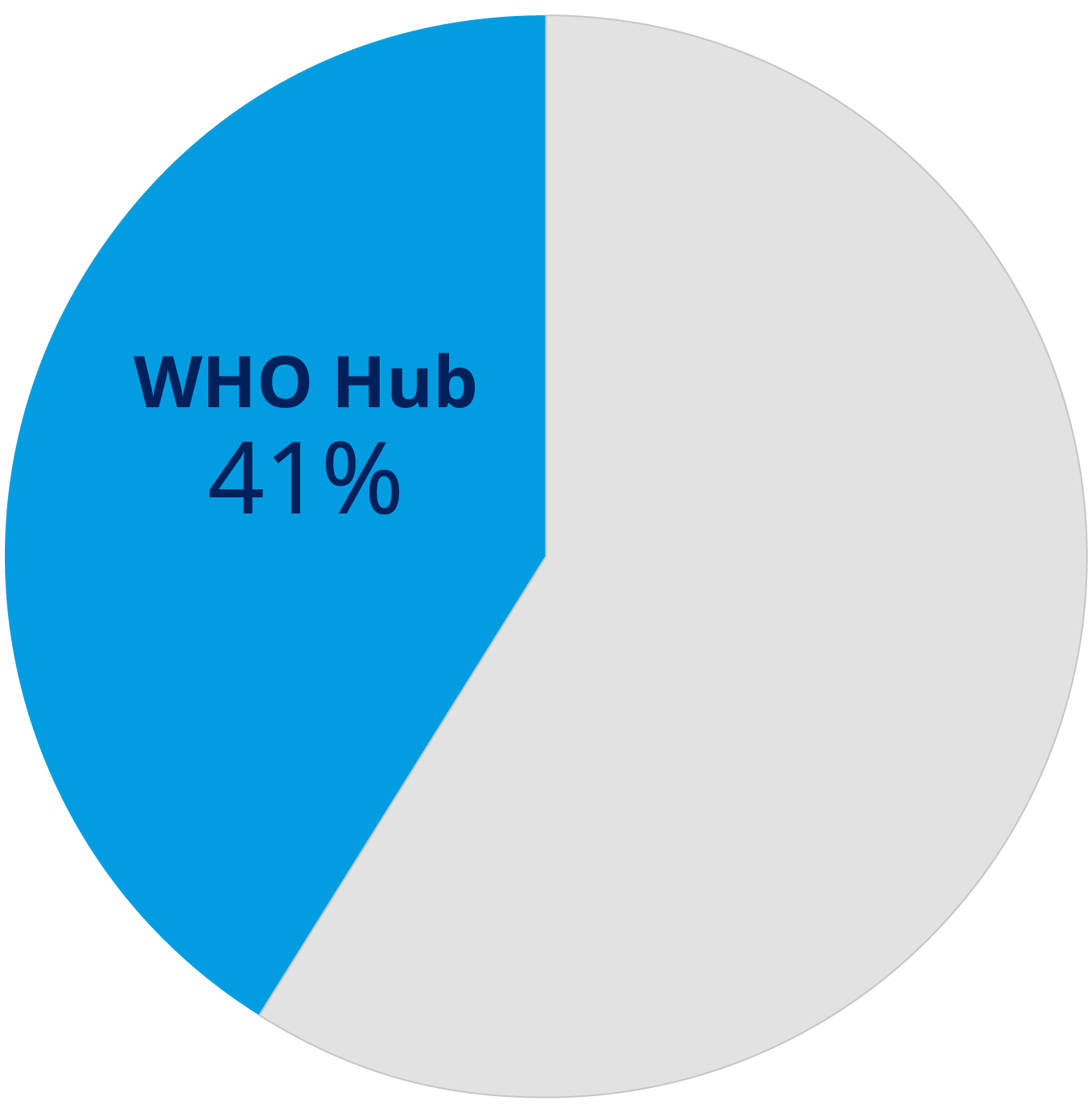

Protracted Crisis in Yemen
With over 18 million people in need of humanitarian assistance, the protracted crisis in Yemen remains one of the world’s largest and complex humanitarian crises.
Outbreaks of infectious disease, conflict, security and protection concerns, and climate change related events presented immense challenges to the delivery of health supplies. Through the combination of in-kind flights and infrastructure to consolidate supplies, the Hub saved over USD 1.5 million in operational costs to deliver nearly USD 5 million in trauma supplies, essential medicines, and laboratory diagnostics to reinforce WHO’s ongoing health emergency response.


Infectious Disease Response
Rapidly responding to outbreaks of infectious disease including cholera, diphtheria, Ebola, Marburg, MPOX, MERS CoV, and Meningitis, the Hub delivered over USD 1 million in critical diagnostics, antitoxins, laboratory supplies, personal protective equipment and essential medicines across 46 countries to protect health care workers, reinforce surveillance and detection activities and treat patients.
The Hub’s rapid response capabilities support the early detection and implementation of infection prevention and control measures to minimize outbreaks by reducing transmission pathways.
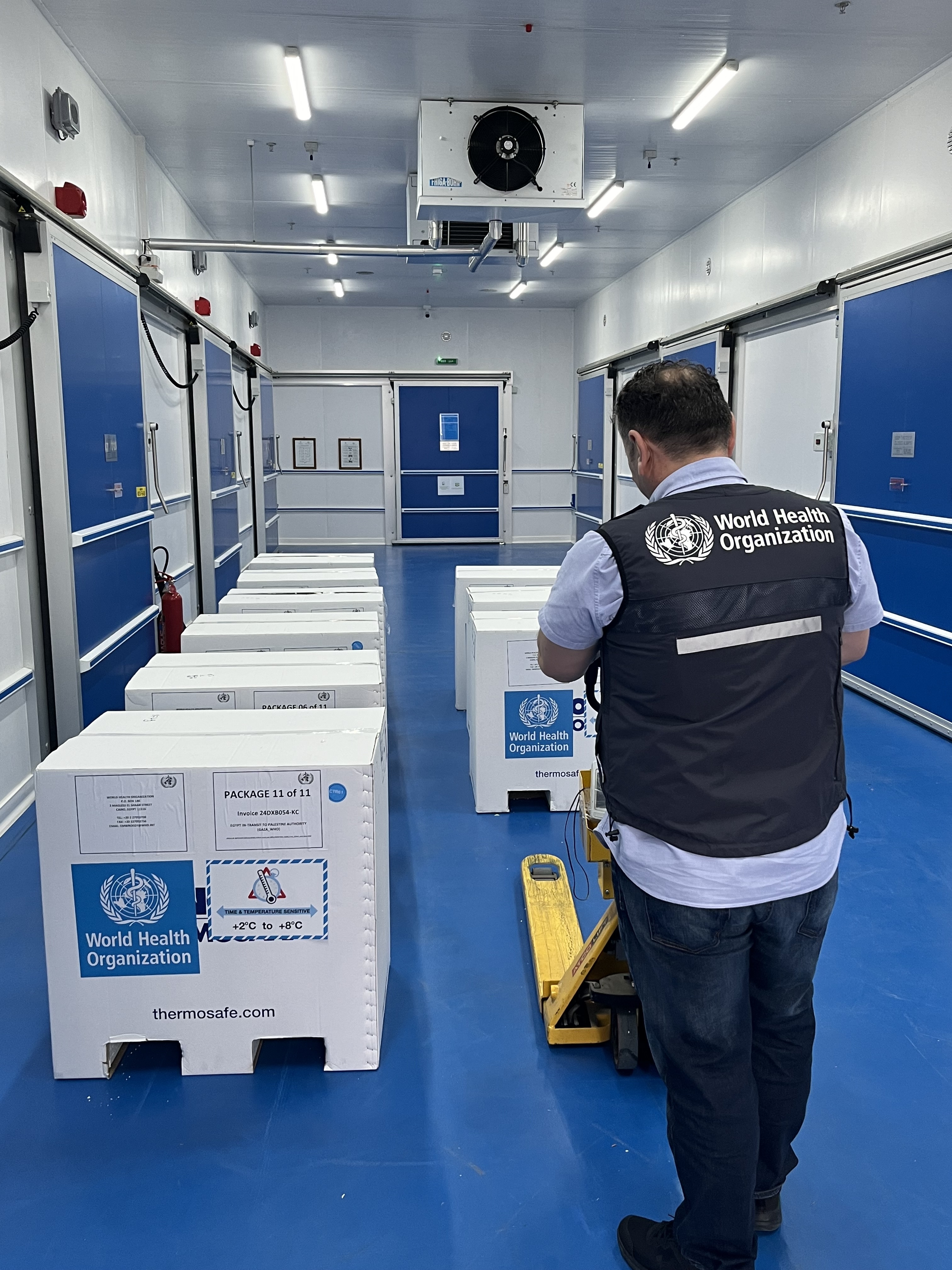
Maintaining specialized cold-chain storage facilities, equipment, and technical expertise, WHO staff ensured the safe delivery of sensitive health supplies such as diphtheria antitoxin. Storing, transporting, and delivering health supplies with temperature sensitive requirements is an essential technical capability supported by the Hub that strengthens the delivery of temperature sensitive products.

Earthquake Response in Myanmar
Responding within 24 hours of the devastating 7.7 magnitude earthquake that struck Myanmar on 28 March 2025, the Hub coordinated a series of emergency air charters in partnership with Dubai Humanitarian and the European Civil Protection and Humanitarian Aid Operations (ECHO) to deliver critical life-saving trauma and emergency surgery kits. Through the operation of 5 emergency air charters, the Hub delivered over USD 1.9 million in health supplies and equipment to support initial search and rescue operations equipping first responders with protective equipment and supplies to immediately triage and treat casualties.

Fragile Health System in Syria
With over 16 million people in need of humanitarian assistance and the second highest number of internally displaced persons in the world, Syria’s essential health services struggle to cope with rising demands. Weakened by years of conflict and ongoing insecurity, the health system faces chronic shortages of critical medical supplies.
Delivering over USD 2 million in health supplies to address trauma and emergency surgery, non-communicable disease, and essential medicines, the Hub provided a critical pipeline of life saving health commodities to address gaps in service delivery.
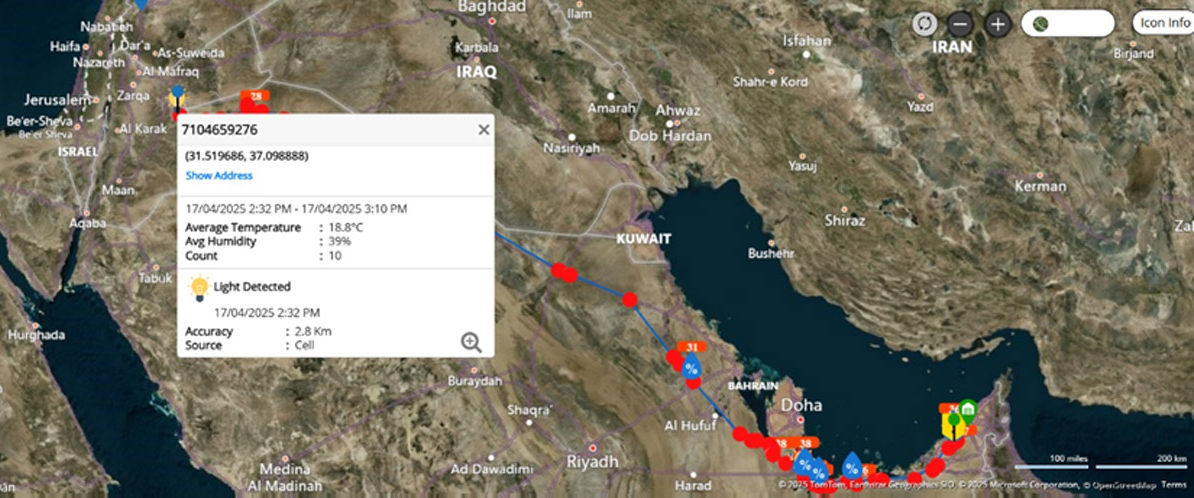
Introducing innovative and agile approaches to the delivery of health supplies the Hub saved the operation over USD 1 million while introducing real-time tracking and tracing of supplies during their journey from the Hub to WHO and the Syrian Ministry of Health facilities in Damascus. The real-time tracking enabled WHO to monitor the temperature, humidity, and location of the supplies to ensure quality compliance standards were met during transit.

CHAPTER 4
Supply Chain Efficiency and Innovation
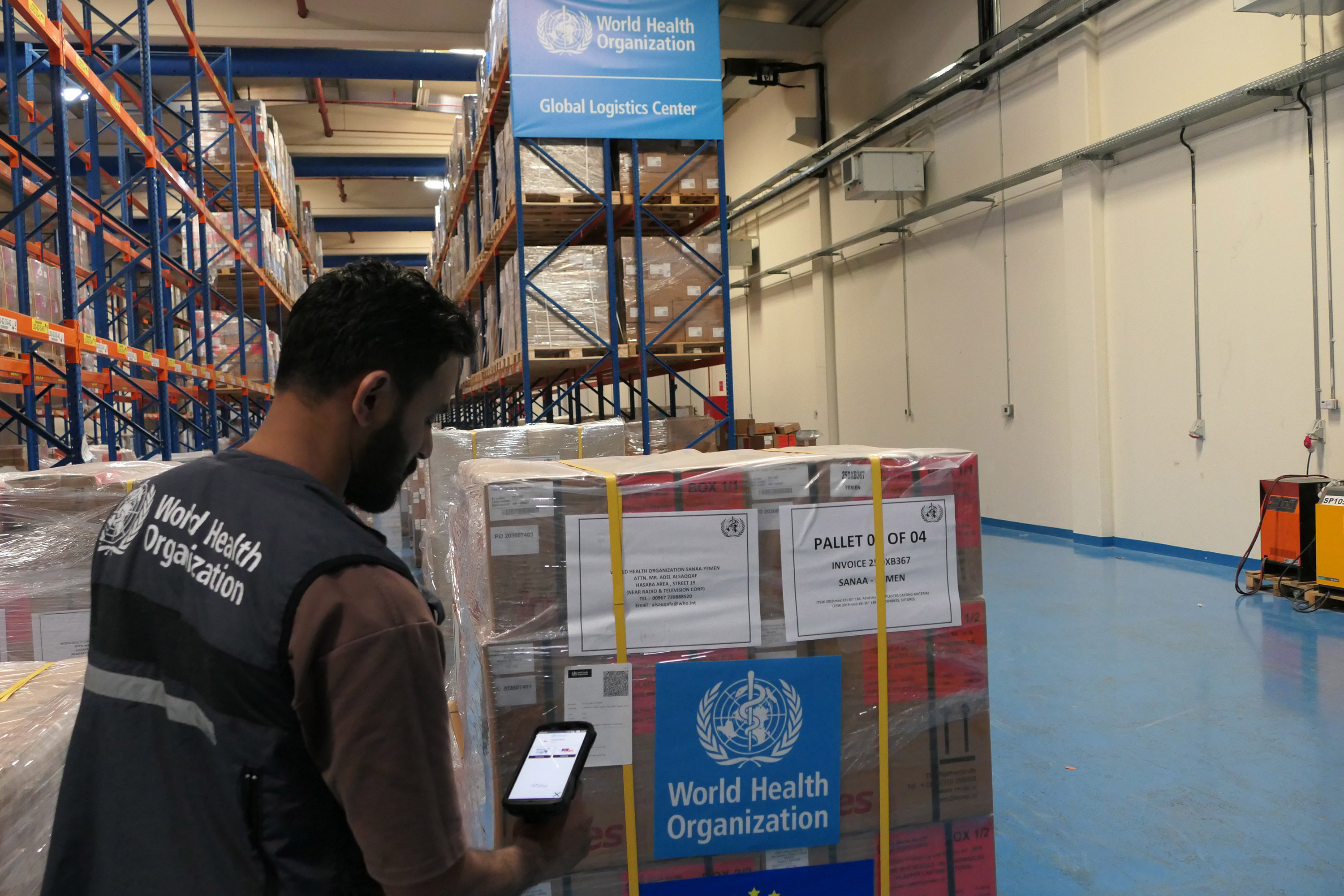
Introducing innovative approaches to the management and delivery of health supplies, the Hub strives to increase the visibility of supply chain data, decrease response times, and continuously improve the responsiveness of the supply chain to deliver. Piloting new automation technology and the use of Quick Response (QR) codes, the Hub is pioneering the use of QR codes to track and trace the distribution of health supplies in humanitarian emergencies. The pilot project includes the development of a mobile application that enables end-users to receive and dispatch health supplies by mobile scanning of QR codes. Improving the visibility of critical distribution data enhances the use of supply chain data for decision making, increases the transparency of health supply distributions, and improves forecasting and demand planning initiatives.

The WHO Hub for Global Health Emergencies Logistics in Numbers 2018-2025
Partnerships
Through the generosity and support of our partners, WHO is delivering more medicines to more people more quickly than ever before. From the donation of emergency charter flights and humanitarian convoys sponsored by Dubai Humanitarian and European Civil Protection and Humanitarian Aid Operations (ECHO) to the operational support provided by the World Food Program (WFP) our partnerships drive efficiency and increase access to life-saving medical supplies around the world. The support from the Government of Dubai and the Government of the United Arab Emirates enables the World Health Organization’s Hub for Global Health Emergencies Logistics to improve prevention, preparedness, response, and recovery efforts worldwide harnessing innovation, technology, and state-of-the-art logistics to operate an efficient and response supply chain. Collaborating with other humanitarian organization further drives efficiencies as we work alongside United Nations International Children’s Emergency Fund (UNICEF), Médecins Sans Frontières (MSF), and the International Federation of the Red Cross and Red Crescent (IFRC) among others to facilitate the delivery of humanitarian assistance to the world’s most vulnerable.


First published on 01 April 2026