Treatment and care in children and adolescents
An estimated 1.4 million children aged 0-14 were living with HIV at the end of 2023, and 120 000 children were newly infected. An estimated 76 000 children died of AIDS-related illnesses. To reduce HIV-related mortality and morbidity among this highly vulnerable population, early testing and treatment is essential. Without access to testing and treatment, 50% of children with HIV will die by the age of 2, and 80% will not live to their fifth birthday.
WHO recommends that infants born to mothers living with HIV are tested for HIV by two months of age, during breastfeeding, and when breastfeeding ends given continued risk of transmission during this period. Older children, especially offspring and siblings of persons infected with HIV, should also be tested in high prevalence regions. Community-based outreach and testing can improve access to testing while mitigating HIV-related stigma.
Children living with HIV should start antiretroviral treatment (ART) immediately. Yet in 2023, only 57% of children were on ART, compared to 77% of adults. Once treatment begins, children must take their medicine regularly to stay healthy into adolescence and adulthood. Failure to suppress the HIV virus remains a serious problem among children, aggravated by a lack of child-friendly formulations of the newest and most effective antiretroviral drugs designed for adults.
Globally in 2023, an estimated 1.5 million adolescents (10-19 years old) were living with HIV and an estimated 140 000 were newly infected with HIV. Compared to other populations, adolescents face additional barriers in accessing testing and treatment, including health services that are not adapted to their needs and policies that require parental consent for services. Adolescents living with HIV are also less likely than adults to adhere to their treatment, resulting in lower rates of viral suppression and lower declines in mortality.
Addressing the distinct and diverse needs of adolescents living with HIV to improve their HIV-related outcomes requires a comprehensive and integrated approach that leverages on global commitments and approaches to adolescent health, including the Global Strategy for Women’s, Children’s and Adolescents’ Health (2016–2030) and the Global Accelerated Action for the Health of Adolescents (AA-HA!).
WHO recommends the implementation of adolescent-friendly health services in HIV services to ensure engagement and improved outcomes. Involving and engaging in their own care across the treatment cascade and through the cycle of planning, implementing, monitoring and evaluating programs is key. Peer-driven, adolescent-friendly services, integrated with other services including psychosocial interventions, are effective ways to improve health outcomes for adolescents.
WHO develops normative guidance on HIV prevention, testing, treatment and care, and works with policymakers and programme managers to promote their rapid adoption and implementation.
News
Global initiative
 Visit START FREE, STAY FREE, AIDS FREE, a global initiative led by UNAIDS which aims at galvanizing global momentum around a shared and ambitious agenda.
Strategic document
AIDS Free Framework to accelerate paediatric and adolescent...
Technical documents
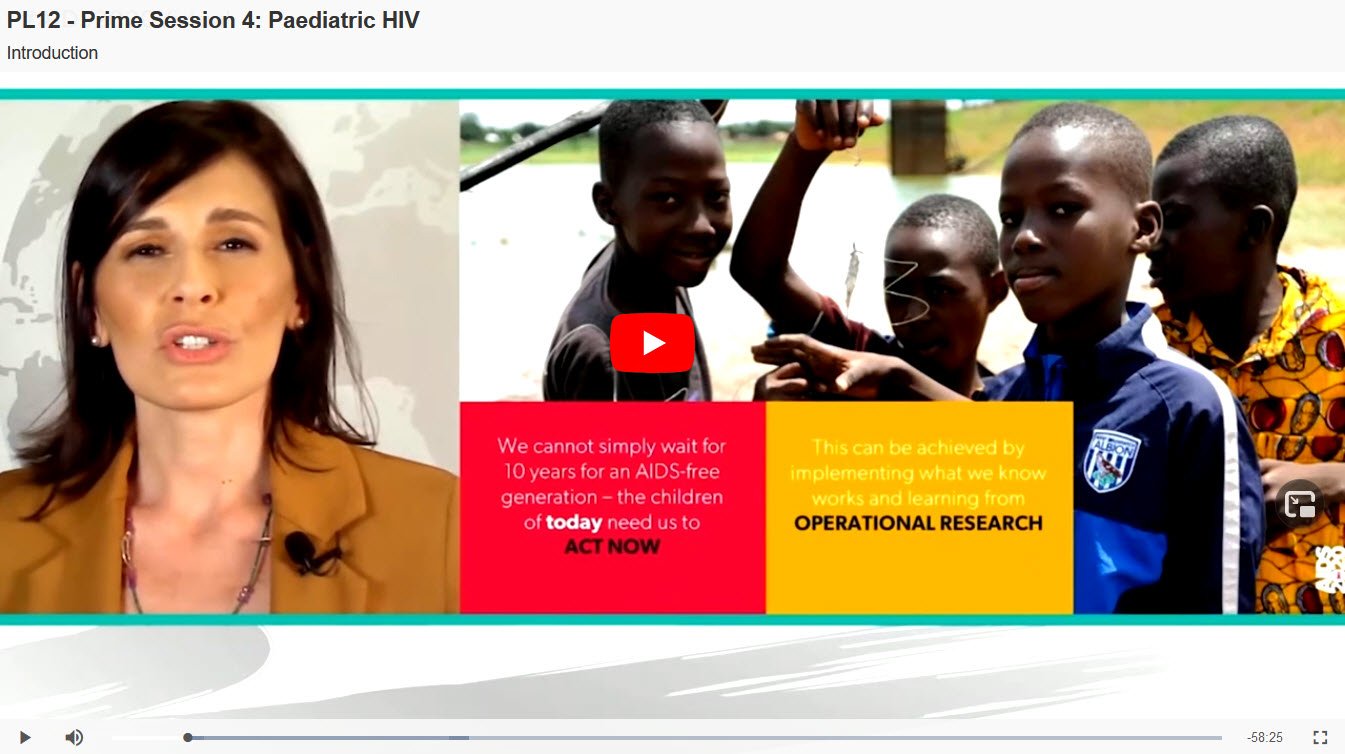
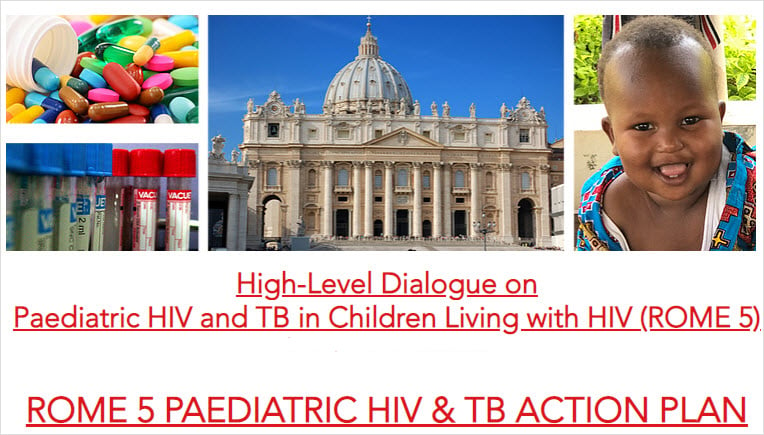
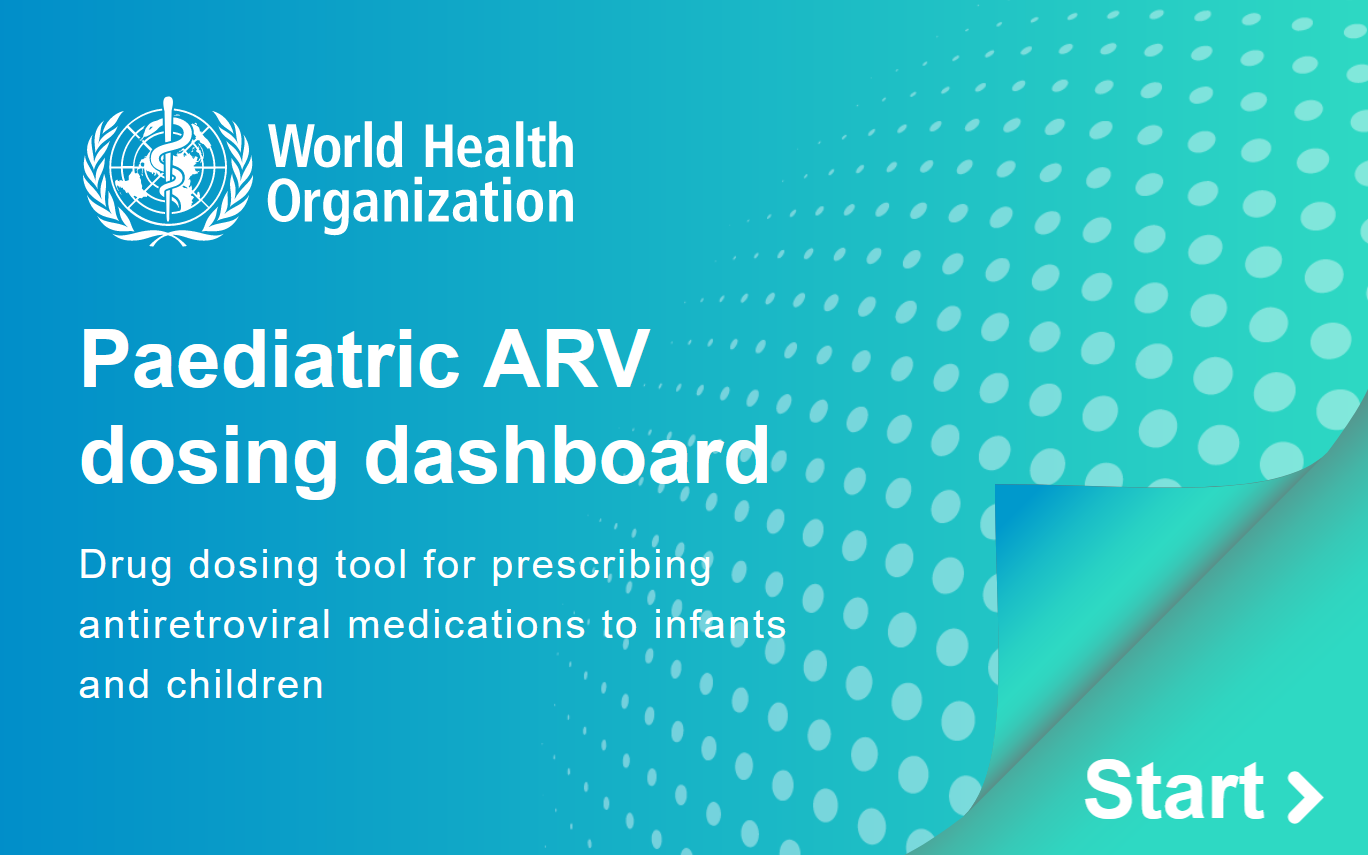

Global Alliance for Ending AIDS in Children by 2030
Globally, in 2023, 57% of children living with HIV are on life-saving treatment, far behind adults where 77% are receiving antiretrovirals. Concerned by the stalling of progress for children, and the widening gap between children and adults, WHO, UNAIDS, UNICEF, networks and communities of people living with HIV, The Global Fund and 12 phase one countries in Africa have brought together a global alliance to ensure that no child or adolescent living with HIV is denied treatment by the end of the decade and to prevent new HIV infections in infants, adolescents and mothers.
The Global Alliance for Ending AIDS in Children by 2030 was announced by leading figures at the International AIDS Conference taking place in Montreal, Canada in 2022. Twelve countries have joined the alliance in the first phase: Angola, Cameroon, Côte d'Ivoire, the Democratic Republic of the Congo (DRC), Kenya, Mozambique, Nigeria, South Africa, Uganda, the United Republic of Tanzania, Zambia, and Zimbabwe.
The Alliance 4 pillars for collective action
